Aluminium doors need little maintenance, but sand and coastal air are hard on moving parts. A short routine prevents most call-outs.
Tracks and drainage: the main job
Sand collects in the bottom track and in drainage slots. Vacuum or brush the track weekly in dusty months and after sandstorms; keep drainage holes and any channel in front of a flush threshold clear so water drains rather than pooling. A blocked channel is the most common cause of water inside after rain.
Rollers and hinges
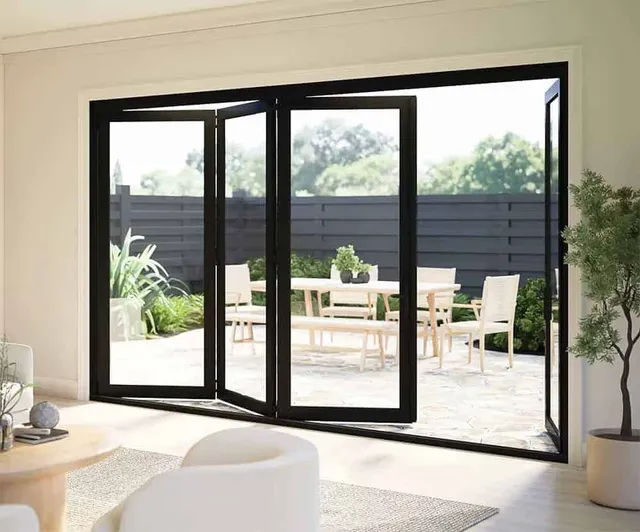
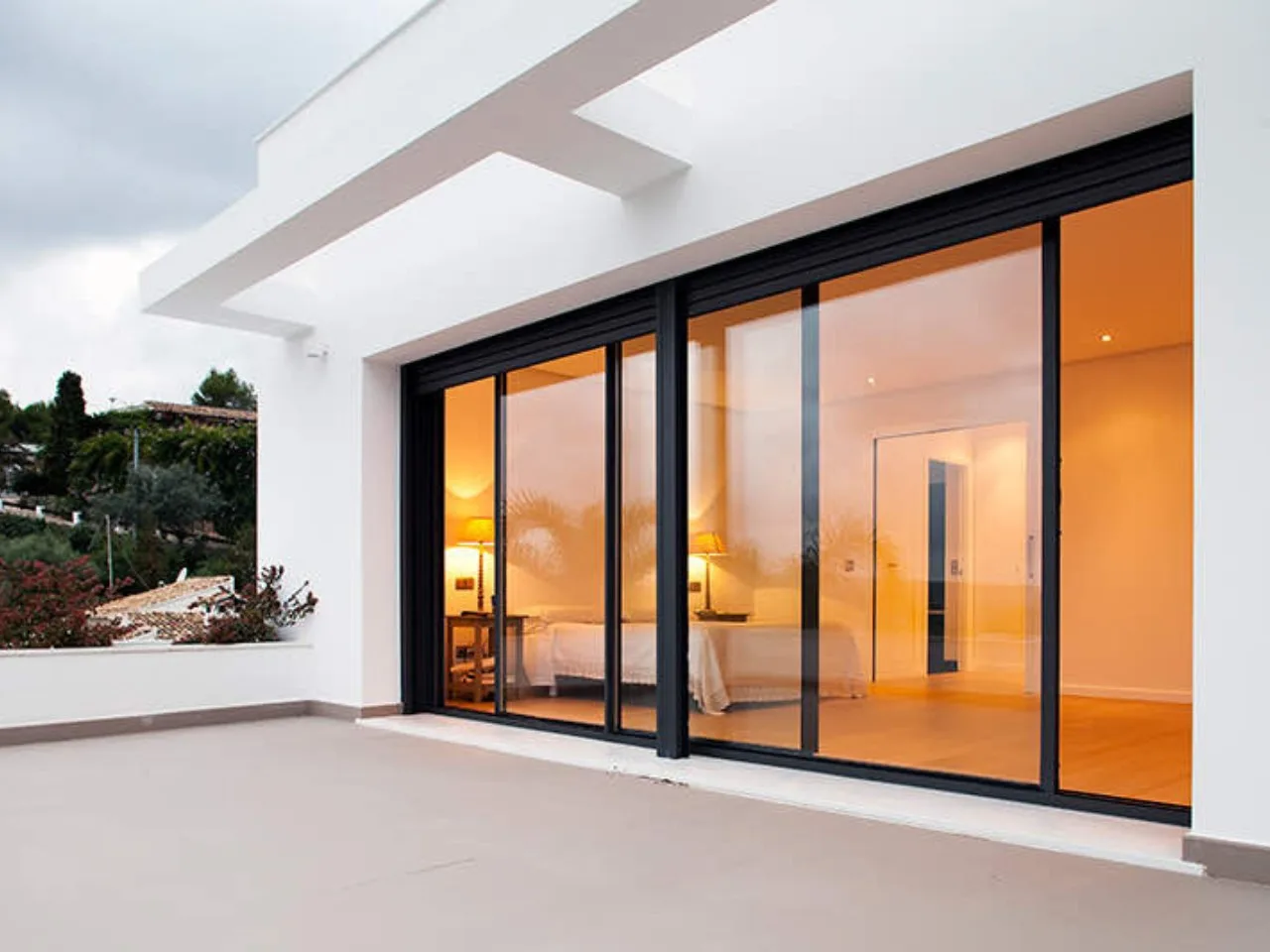
Sliding door rollers run in the bottom track; folding door hinges and carriers run in the top (or bottom) track. Keep them free of grit, and have them checked periodically. Use a dry lubricant or the lubricant recommended for the hardware; avoid heavy grease, which traps sand.
Seals and gaskets
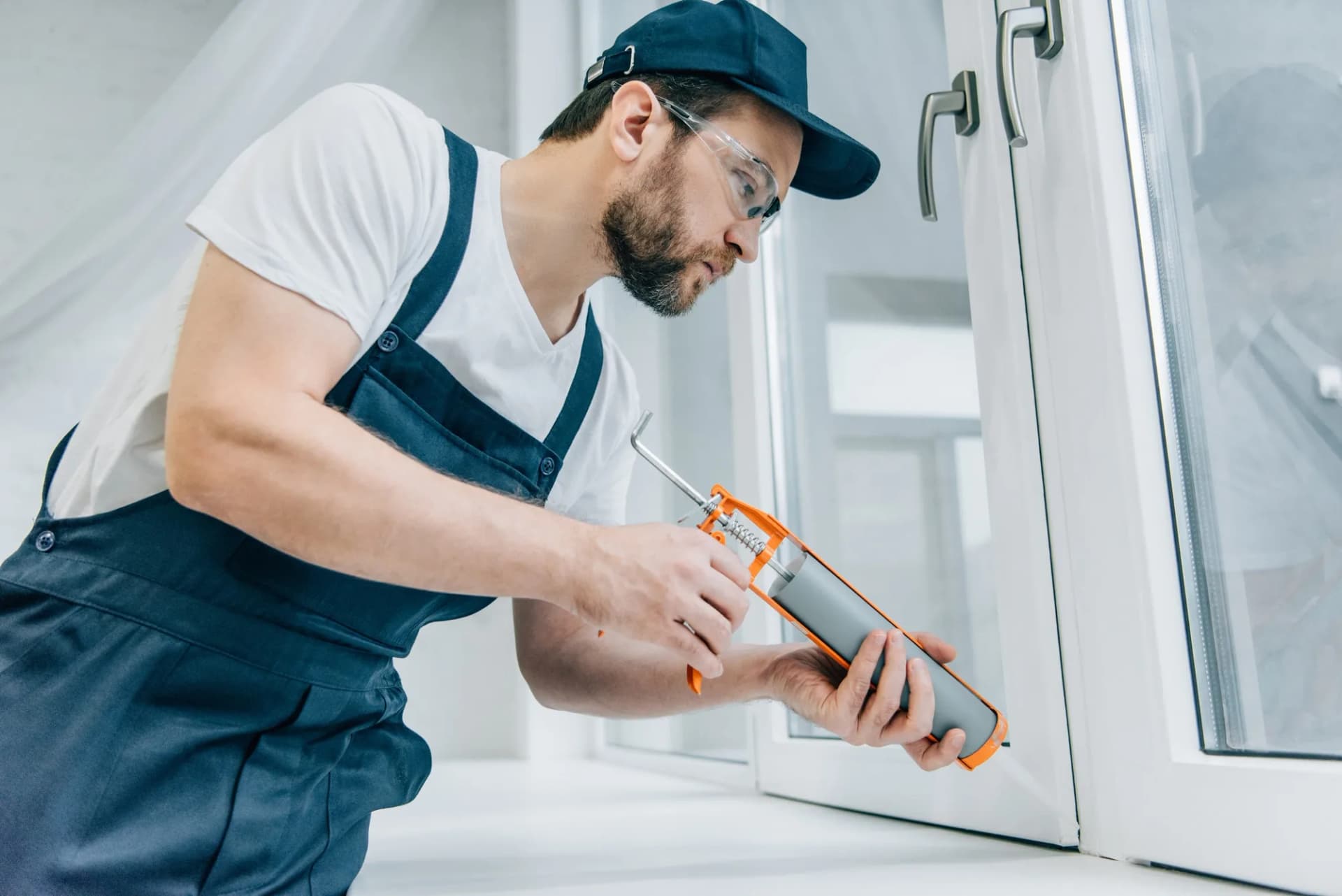
Wipe rubber gaskets with a damp cloth and check they are not torn or displaced. Brush seals on sliding doors wear over years and are replaceable.
Glass
Clean with water and a mild detergent or a glass cleaner; avoid abrasive pads. On low-E and coated glass the coating is inside the sealed unit, so normal cleaning does not affect it.
Powder-coated frames
Wash with warm water and mild soap, rinse and dry. Do not use solvents, abrasive cleaners or scouring pads. Near the coast, more frequent washing removes salt deposits that can dull the finish.
Locks and handles
Operate every lock point occasionally and keep cylinders free of dust; a dry graphite or PTFE lubricant is suitable.
When to call us
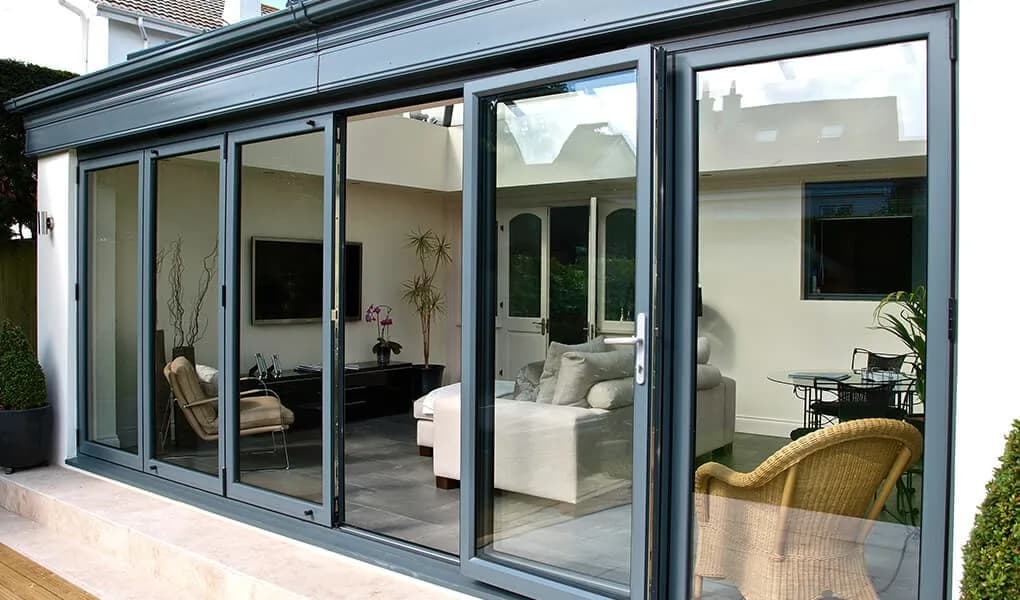
If a panel drags, the door is hard to lock, water appears inside, or a seal has come away, have it looked at before the next season. Adjustments are quick when caught early. Product-specific notes are on the folding doors and slim sliding doors pages.